
3 products
-
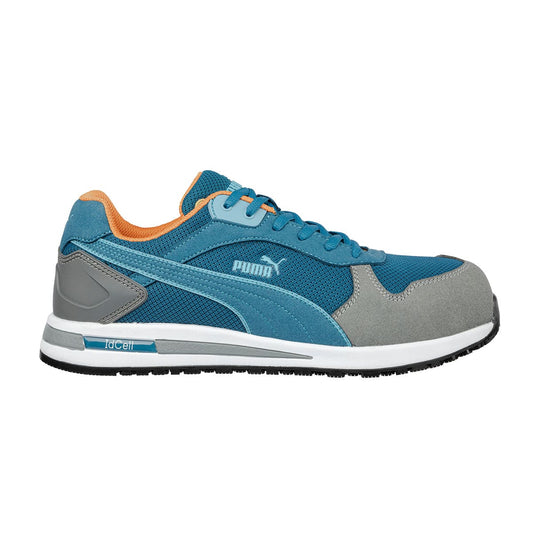
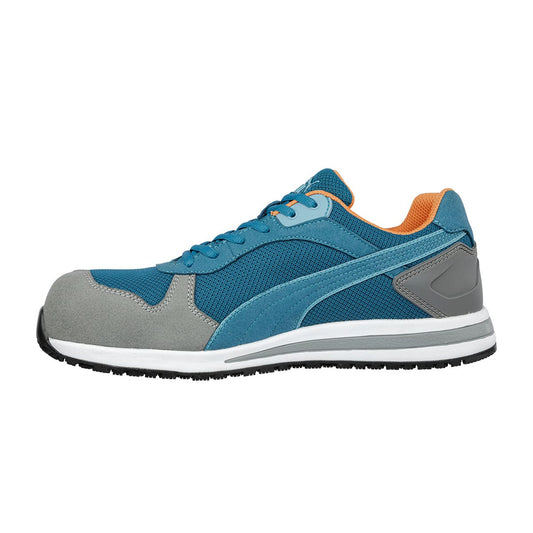
FRONTSIDE BLUE LOW
Style:Regular price €138.59Regular priceUnit price per -
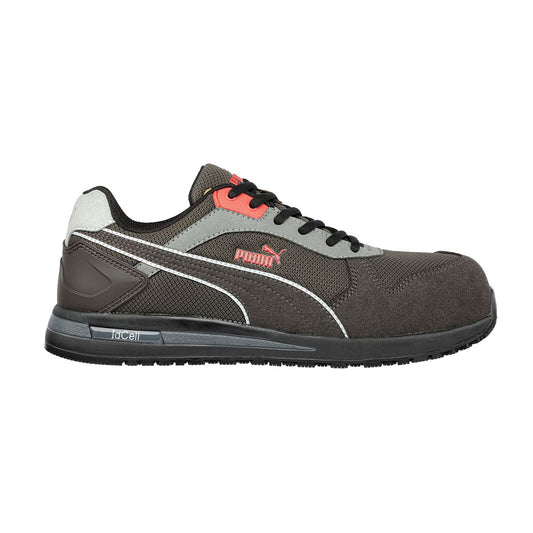
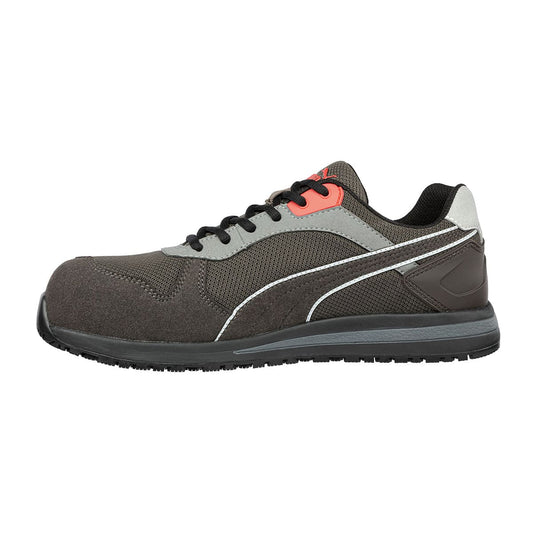
FRONTSIDE IVY LOW
Style:Regular price €131.99Regular priceUnit price per
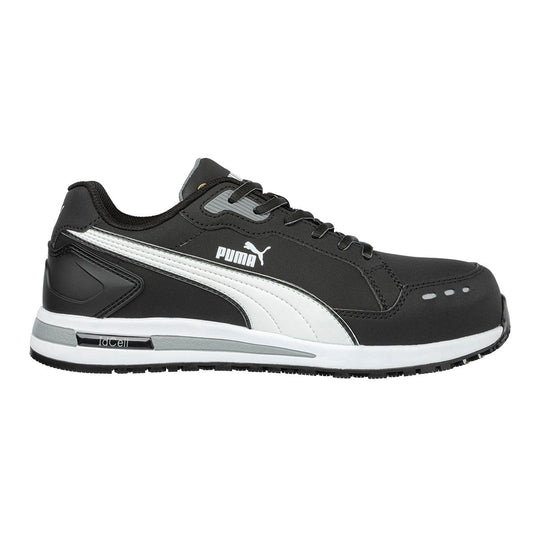
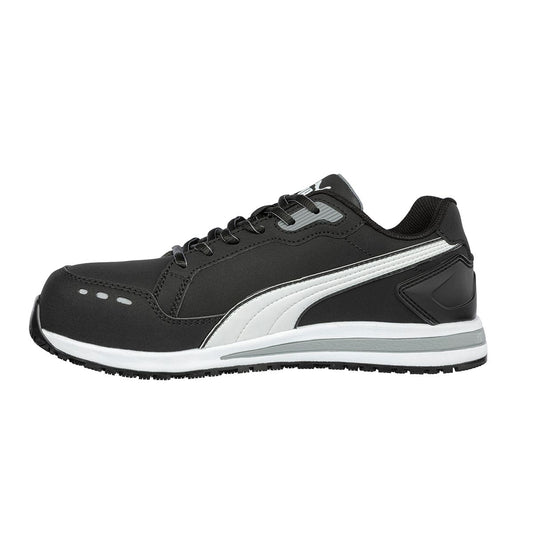

Floor laying means spending the day on surfaces that are not finished yet. Adhesive residue, wet screed and subfloor dust underfoot are part of every job. Our safety shoes for floorers are built for those conditions, with EN ISO 20345-certified toe protection, heat-resistant outsoles and slip-resistant grip, developed with PUMA Safety.
Safety Shoes for Floorers and Floor-Laying Professionals
Floor-laying work means spending the day on whatever lies beneath the finished surface. Subfloors, adhesive residue, wet screed and dust are the norm, and the conditions change as the job progresses.
Every style in this collection is developed in partnership with PUMA Safety and certified to EN ISO 20345, with composite toe protection rated to 200 joules. Outsoles are heat-resistant (HRO) for contact with surfaces that retain heat, relevant when working over underfloor systems or recently applied adhesives. ESD protection is included across the range.
All three styles use a low-cut athletic trainer design that gives more flexibility at the ankle than a traditional safety boot, which matters for the amount of kneeling, crouching and ground-level work the job involves. Cushioned midsoles take some of the impact out of repeated transitions between kneeling and standing through a full day.
For a wider selection of safety footwear for trade work, browse our safety footwear collection.
Are safety trainers adequate for floor-laying work or do I need boots?
Every style in this collection carries EN ISO 20345 certification with composite toe protection, which meets the same safety standard as a traditional boot. The low-cut trainer design offers more flexibility at the ankle, which suits the frequent kneeling and crouching that floor-laying involves. If your employer or site specifies ankle-height footwear, check the PPE requirements before choosing. For boot options, see our safety footwear collection.
What does HRO heat resistance mean for flooring work?
HRO-rated outsoles resist heat from contact with hot surfaces. In floor laying, that is relevant when working over underfloor heating systems, recently applied adhesives or surfaces treated with heat during installation. The rating covers outsole contact temperature, not ambient heat. All styles in this collection carry HRO certification.
What is ESD protection and do floorers need it?
ESD protection reduces the buildup of static charge, which matters when working around sensitive electronic equipment or in environments where static discharge could cause a hazard. All styles in this collection include ESD certification. Whether your role requires it depends on the site and the materials you are working with. It does no harm if you do not need it, but it is there if you do.
What should I look for if I am kneeling for most of the day?
A low-cut design gives your ankle the range of movement that kneeling demands, which is why every style in this collection is built as a trainer rather than a boot. Beyond that, cushioned midsoles help absorb the repeated impact of transitioning between kneeling and standing. Weight matters too. A lighter shoe is easier to move with when you are shifting position constantly throughout the day.