
41 products
-
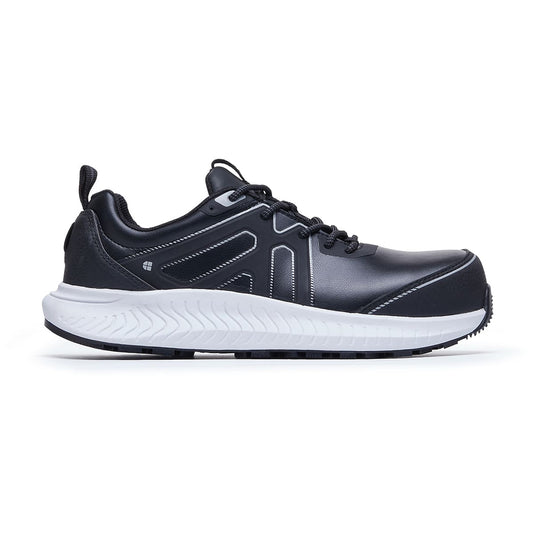
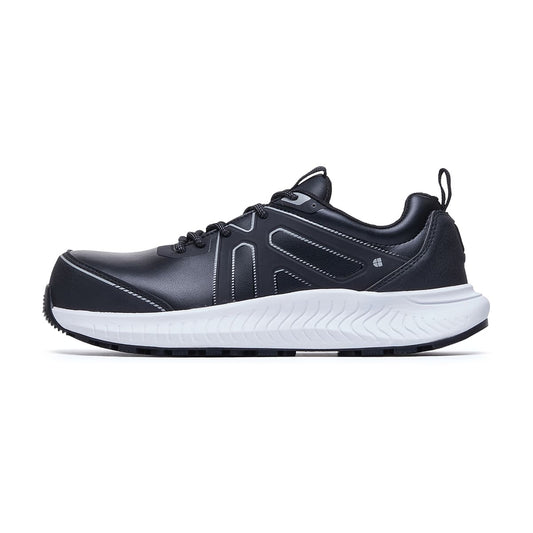
COLLY BLACK
Style:Regular price €109.99Regular priceUnit price per -
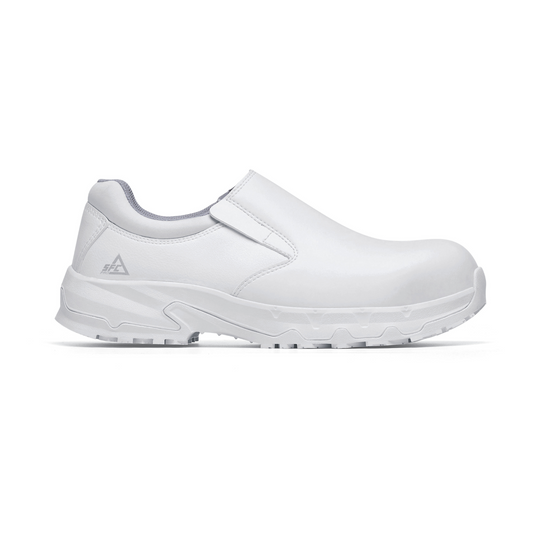
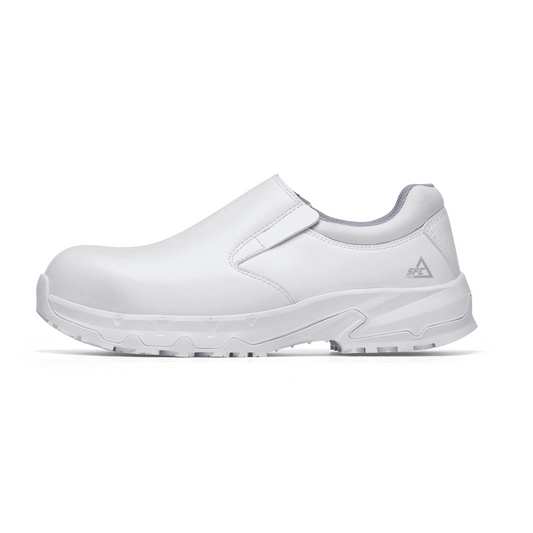
BRANDON WHITE
Style:Regular price €94.99Regular priceUnit price per -
FORKHILL BLACK
Style:Regular price €99.99Regular priceUnit price per -
COLLY SAFETY BLACK LOW CE ESD
Style:Regular price €104.99Regular priceUnit price per -
COLLY SAFETY BLACK MID CE ESD
Style:Regular price €105.99Regular priceUnit price per -
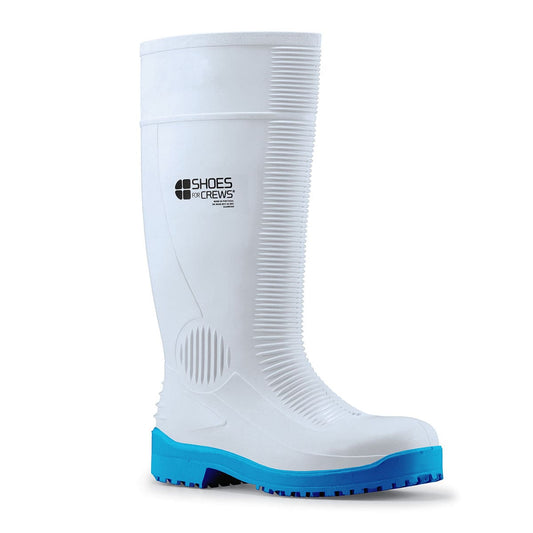
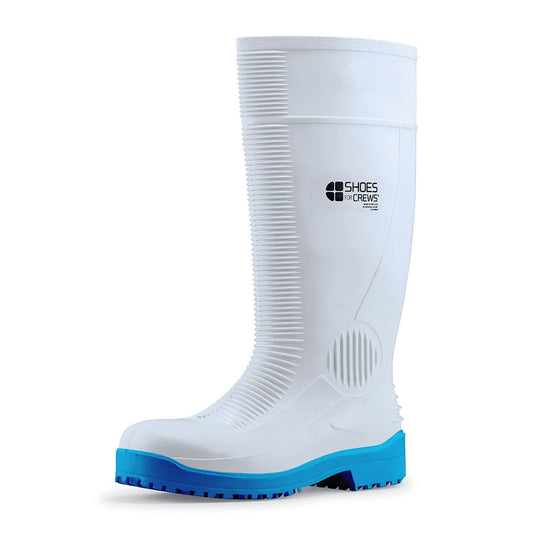
GUARDIAN WHITE S4
Style:Regular price €73.99Regular priceUnit price per -

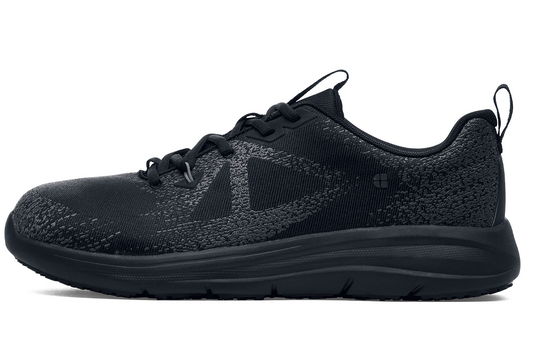
TOBY II NCT
Style:Regular price €90.99Regular priceUnit price per -
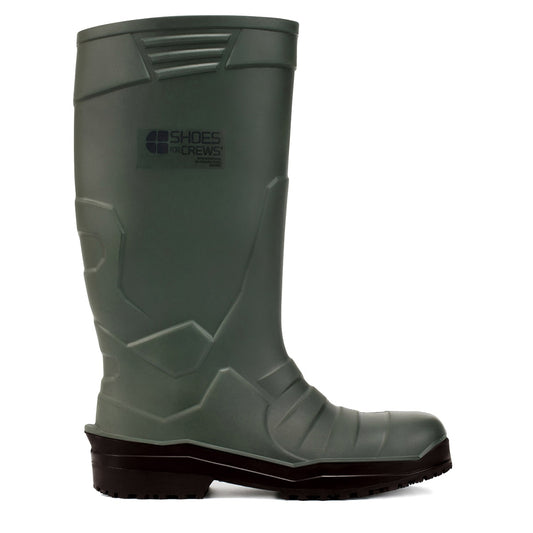
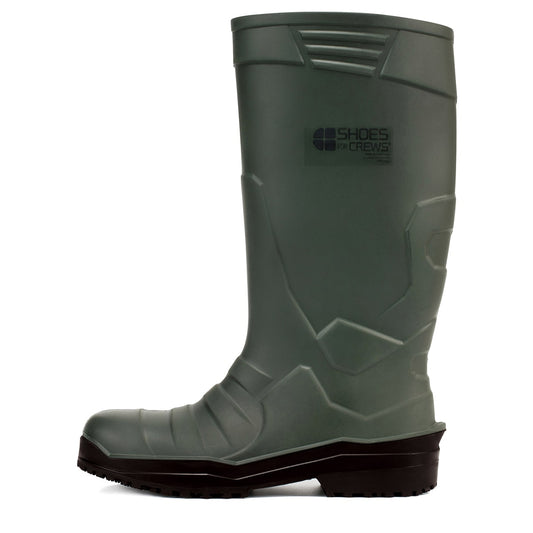
SENTINEL GREEN
Style:Regular price €33.59Regular priceUnit price per€111.99Sale price €33.59 70% off!Sale -

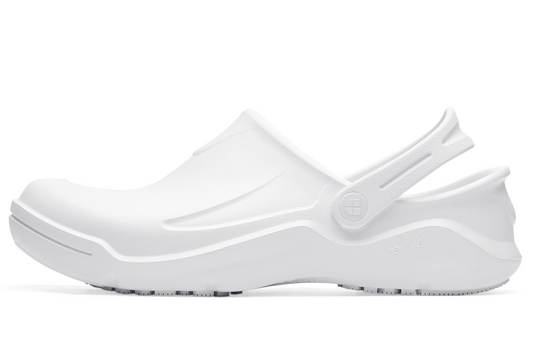
ZINC II WHITE
Style:Regular price €42.99Regular priceUnit price per -

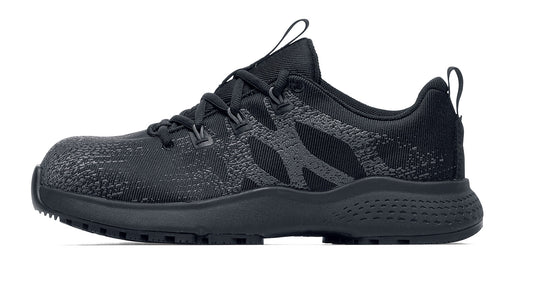
HEATHER II NCT
Style:Regular price €90.99Regular priceUnit price per -
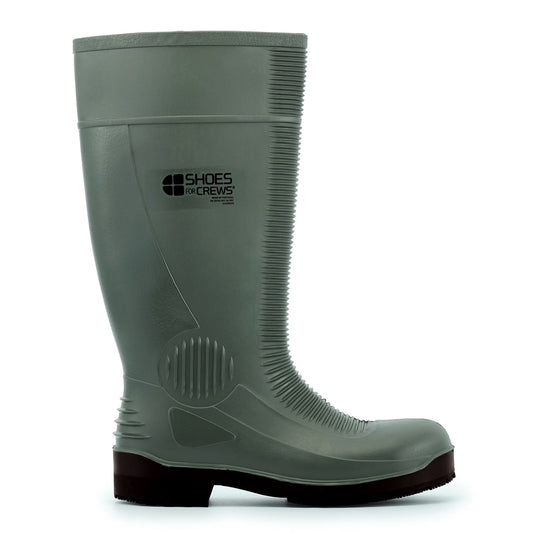
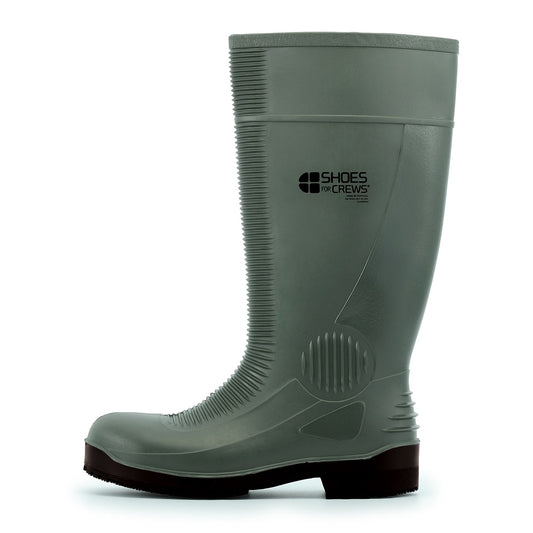
GUARDIAN S4 GREEN
Style:Regular price €73.99Regular priceUnit price per -
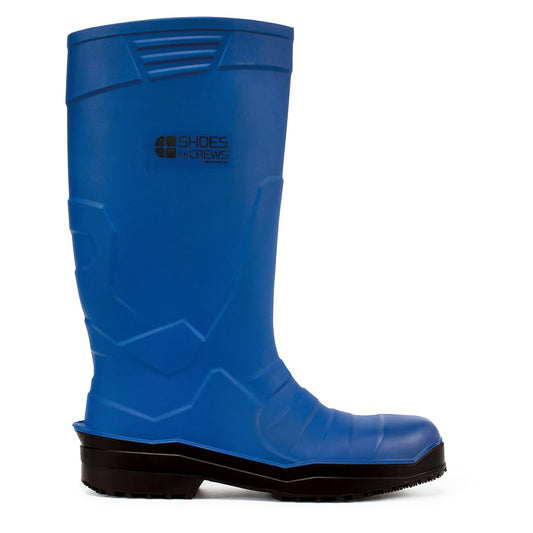
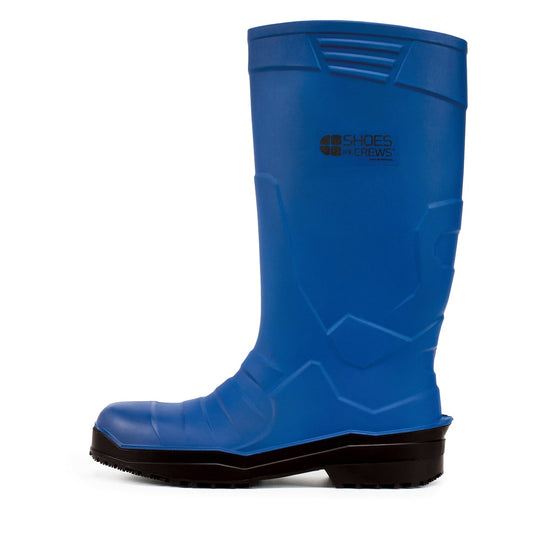
SENTINEL BLUE
Style:Regular price €33.59Regular priceUnit price per€111.99Sale price €33.59 70% off!Sale -

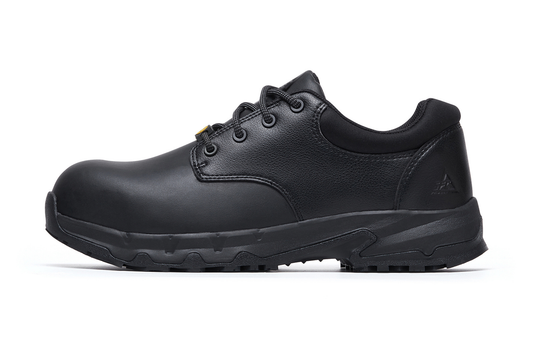
BARRA ESD NCT BLACK
Style:Regular price €94.99Regular priceUnit price per -

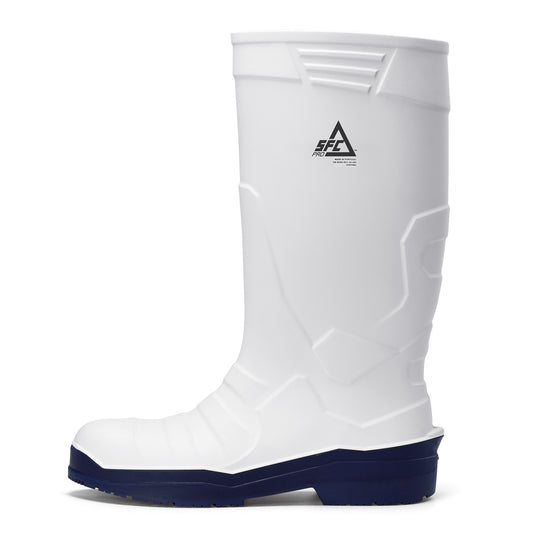
SENTINEL WHITE/BLUE
Style:Regular price €111.99Regular priceUnit price per -
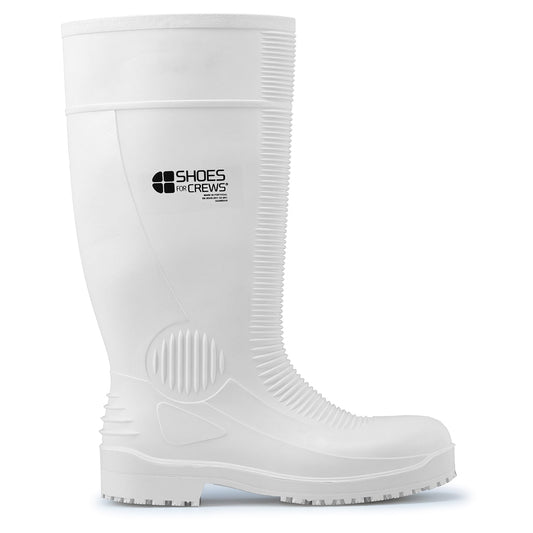
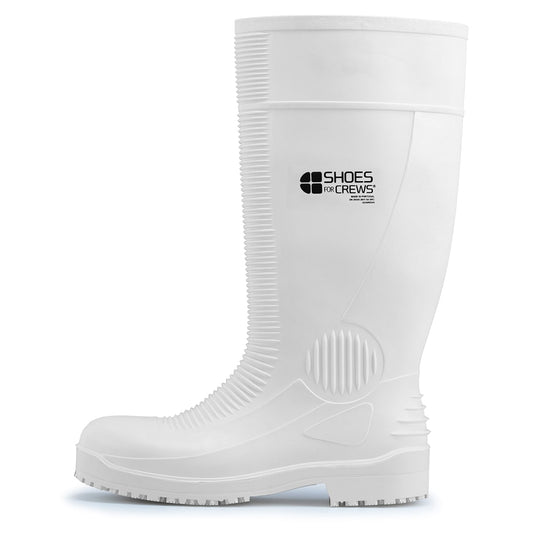
GUARDIAN WHITE
Style:Regular price €73.99Regular priceUnit price per -

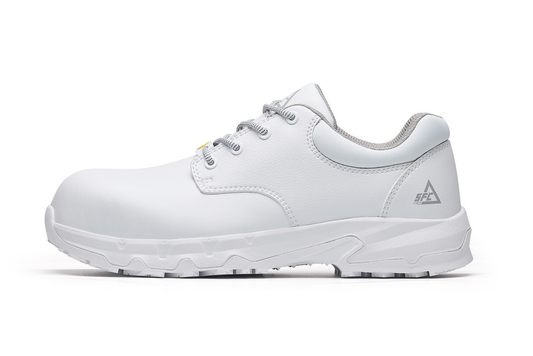
BARRA ESD NCT WHITE
Style:Regular price €94.99Regular priceUnit price per



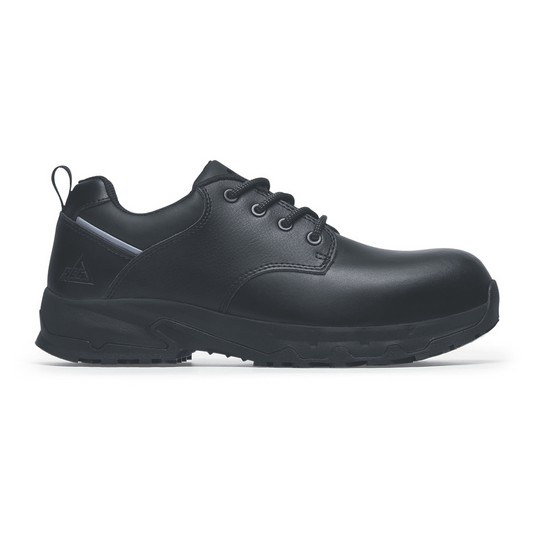
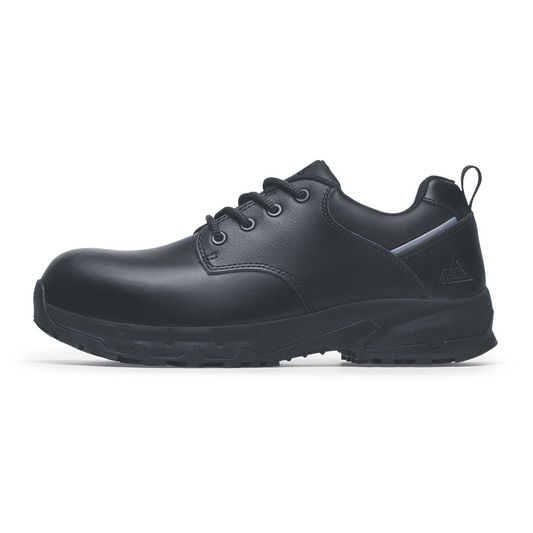

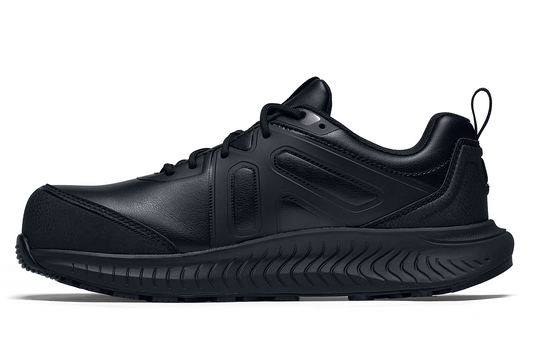

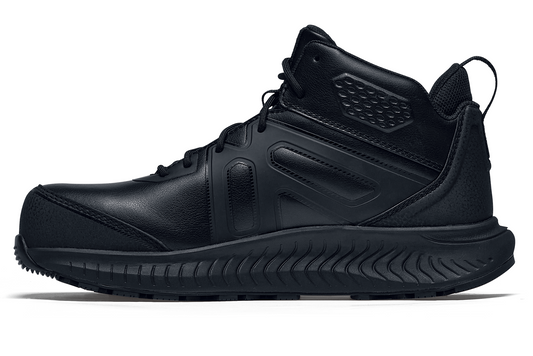





Food production floors are constantly changing, with wash-downs and spillage creating a slippery environment in a moment. Our slip-resistant shoes for food production staff are built for that shift in conditions, with safety-certified toe protection, waterproof options and easy-clean materials across the range.
Safety Shoes for Food Production and Processing Environments
Food production floors change through every shift. A wash-down can turn a dry floor wet in moments, and spillage from processing lines adds to the surface conditions between cleans. The shoe has to handle whatever stage the floor is at.
Most styles in this collection are certified to EN ISO 20345, the European standard for safety footwear, with composite toe protection for environments where heavy equipment, loaded pallets and conveyors are part of the workflow. Several styles include puncture-resistant midsoles. Waterproof wellington boots with steel toe caps and clog-resistant outsoles are available for wash-down zones, while trainers and lace-ups with waterproof or water-resistant uppers cover roles where lighter footwear suits the job.
Select styles feature the Gladiator outsole, a more abrasion-resistant rubber compound that holds up better on floors subjected to regular industrial cleaning. Easy-clean materials and white footwear options are available across much of the range.
Browse our men's food production shoes and women's food production shoes , or see our butcher collection for trade-specific options.
What safety certification is typically required for food production work?
Most food production employers specify EN ISO 20345-certified footwear, which covers steel or composite toe protection and slip resistance. This is the standard applied across the majority of factory and processing environments in the UK and Europe. If your employer has issued a PPE policy, it should specify the standard required. The majority of styles in this collection meet EN ISO 20345.
Do I need wellington boots for wash-down areas?
For areas where floors are regularly hosed or where standing water is present, wellington boots with waterproof construction are the practical choice. Our range includes options with steel toe caps and clog-resistant outsoles. For production areas where the floor is wet but you are not standing in water, safety shoes or trainers with waterproof uppers offer the same toe protection with less weight and more flexibility.
Are white footwear options available for production floor requirements?
Yes. White trainers, safety shoes and wellington boots are all available in this collection, meeting the colour-coding protocols common in food manufacturing. All white styles run on the same independently tested slip-resistant outsoles as the standard-colour range.
What is the Gladiator outsole and when should I choose it?
The Gladiator outsole uses a more abrasion-resistant rubber compound than the standard outsole. It's built for floors that take heavier punishment from regular cleaning and industrial foot traffic. If your production environment involves intensive cleaning schedules or heavy foot traffic across abrasive surfaces, it's worth looking for styles that list the Gladiator outsole in their product details.
What's the difference between occupational and safety-certified footwear?
Occupational footwear (EN ISO 20347) covers slip resistance and basic workplace protection without a toe cap. Safety footwear (EN ISO 20345) adds composite or steel toe protection, and further sub-classifications within the standard determine which styles also include puncture resistance. Most food production roles require EN ISO 20345 due to the impact risk from heavy equipment. If your role is limited to lighter processing or packing, check your employer's PPE policy before choosing.